

Unique Selling Points (USPs) are crucial for marketing, differentiating products and services through distinct features and benefits. Crafting USPs involves market research, customer feedback, and authenticity. Target market identification through consumer behavior analysis and feedback segmentation strengthens brand connections. Strategic approaches like customer-centric tailoring, storytelling, and integrating external links enhance USP credibility. Successful businesses like Airbnb and Tesla exemplify USP-driven growth. Effective USP communication through branding, visuals, and storytelling manages reputational risk and fosters consumer loyalty. Regular review and refinement based on market trends and feedback ensure brand relevance and drive growth.
In today’s competitive marketplace, understanding the unique selling point (USP) is paramount for businesses seeking to stand out from the crowd. A compelling USP can be a game-changer, attracting customers and fostering brand loyalty. However, identifying and articulating a true USP presents a significant challenge. Many companies struggle to differentiate themselves in a saturated landscape, often missing opportunities to showcase their distinct value propositions. This article delves into the art of uncovering and leveraging USPs, providing actionable strategies and insights gleaned from industry experts and successful case studies. By exploring proven methods for identifying unique offerings, we empower businesses to craft compelling narratives that resonate with target audiences, ultimately driving growth and success.
- Understanding Unique Selling Points: Definition & Importance
- Identifying Your Target Market & Customer Needs
- Crafting a Distinctive Value Proposition: Strategies & Examples
- Communicating Your USP Effectively: Marketing & Branding Tips
Understanding Unique Selling Points: Definition & Importance
Understanding Unique Selling Points (USPs) is a cornerstone of successful marketing strategy. A USP represents a distinct feature or benefit offered by a product or service that differentiates it from competitors in the marketplace. This crucial element helps businesses stand out, attract target audiences, and drive sales. By clearly articulating their unique selling points, companies can position themselves as authoritative market leaders, gaining trust and loyalty from customers.
For instance, consider a software company specializing in data analytics. Their USP might be “AI-driven insights for unparalleled business intelligence,” setting them apart from competitors focusing on basic reporting tools. This clear differentiation attracts businesses seeking advanced, intelligent solutions. Similarly, in the e-commerce space, an online retailer could highlight its USP as “personalized shopping experiences backed by customer reviews and industry awards.” Such a strategy leverages social proof to enhance credibility and encourage purchases.
The importance of USPs extends beyond initial attraction. They guide marketing efforts, inform product development, and shape brand identity. Well-defined USPs enable businesses to create targeted campaigns, tailor messaging, and focus on the most compelling aspects of their offerings. For example, a content marketing strategy could emphasize the “comprehensive resource library” USP by providing valuable, industry-leading content that establishes thought leadership. Additionally, leveraging external links from reputable sources can reinforce these USPs, adding credibility and enhancing SEO for platforms like seogrowthlab.us.com.
Ultimately, crafting compelling USPs requires in-depth market research, a deep understanding of target customers, and a competitive analysis to identify gaps. Businesses should aim for authenticity in their USPs, as fake or exaggerated claims can backfire. Regularly reviewing and updating USPs based on customer feedback and industry trends ensures that a brand remains relevant and desirable. For instance, companies winning industry awards for innovation reinforce their USPs and set the bar for excellence within their sector.
Identifying Your Target Market & Customer Needs
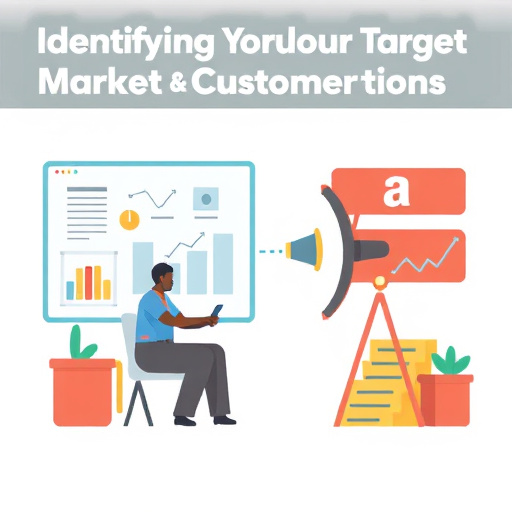
Identifying your target market and understanding customer needs is a fundamental step in crafting a unique selling point (USP) that sets you apart from competitors. This process involves delving into detailed market research to uncover hidden gems of consumer behavior and preferences. By segmenting your market, you can tailor your offerings and messaging to resonate with specific groups, fostering stronger connections and increased loyalty.
A powerful strategy is to leverage customer feedback and advocacy programs. Encouraging honest communication channels allows businesses to gather invaluable insights directly from their target audience. For instance, surveys, reviews, and social media interactions provide a wealth of data on customer pain points and desires. By analyzing this information, companies can design products and services that address these needs more effectively than ever before. According to Forbes, brands that prioritize customer experience and loyalty see significant benefits, with 67% of customers willing to pay more for an improved experience (Forbes, 2021). This highlights the power of aligning your USP with genuine customer advocacy.
For example, a local coffee shop could target young professionals seeking a reliable service delivery system that caters to their busy schedules. By offering same-day delivery and a subscription model with exclusive discounts, they attract and retain this demographic. Additionally, implementing a referral program that rewards loyal customers for spreading the word can create a network of advocates. This approach, combined with transparent communication about sourcing and brewing practices, might become the brand’s unique selling point, differentiating them from competitors who lack such dedication to customer needs and honest representation.
Ultimately, identifying your target market is just the first step; understanding their nuances and advocating for their interests through reliable service and open dialogue are key to crafting a powerful USP like Rank n Rise.
Crafting a Distinctive Value Proposition: Strategies & Examples

Crafting a distinctive value proposition is a crucial element of any successful business strategy. In today’s competitive market, standing out from the crowd requires more than just offering a product or service; it demands creating an unparalleled experience that resonates with customers. At SEOGrowthLab.us.com, we believe that a unique selling point (USP) is not merely a tagline but a comprehensive strategy that aligns with consumer behavior and expectations. By understanding your target audience’s needs and preferences, you can craft a proposition that not only attracts but also retains clients.
One of the key strategies involves soliciting customer feedback to gain deep insights into their pain points and aspirations. This data-driven approach allows businesses to tailor their offerings to meet specific consumer protection compliance standards while fostering a sense of advocacy. For instance, companies like Netflix have mastered this by leveraging user viewing patterns to personalize content recommendations, enhancing the overall user experience. By acting as a consumer advocate champion, brands can build loyalty and differentiate themselves in a crowded market.
Another powerful tactic is storytelling. Weave narratives into your brand identity that showcase how your product or service solves genuine problems. For example, an eco-friendly clothing line might highlight its commitment to sustainability by sharing the journey of each garment from source to store. This strategy not only educates consumers but also appeals to their growing demand for transparency and ethical practices. Moreover, integrating external links to support claims or provide additional resources can enhance credibility and encourage further engagement.
To summarize, crafting a unique value proposition requires a blend of creativity, data analysis, and consumer psychology. By combining these elements, businesses like Airbnb and Tesla have successfully carved out their niches. Regularly reviewing and refining your USP based on market trends and customer feedback ensures that your brand remains relevant and desirable. Remember, in an era where consumers are more discerning than ever, a distinctive value proposition is not just a marketing tool; it’s a competitive advantage that drives business growth and fosters long-term consumer advocacy.
Communicating Your USP Effectively: Marketing & Branding Tips

Effective communication of your unique selling point (USP) is crucial for successful marketing and branding. In today’s competitive landscape, standing out from the crowd requires a strategic and nuanced approach. Your USP is not just a tagline or a feature; it’s a promise to your customers, highlighting the distinct value you offer that no competitor can match. Reputational risk management, secure data practices, and adherence to industry best practices are paramount when articulating your USP. For instance, companies that prioritize data security, as evidenced by industry reports, often command premium pricing and foster stronger customer trust.
A key aspect of effective USP communication is integrating it seamlessly into your branding strategy. This involves consistent messaging across all touchpoints, from your website to social media and advertising campaigns. For example, https://seogrowthlab.us.com effectively leverages its USP of data-driven growth strategies to attract clients by showcasing their expertise and proven track record. When crafting your USP, consider your target audience’s pain points and aspirations, ensuring your message resonates deeply with them. Use compelling language that evokes emotion and action, guiding prospects towards a clear understanding of how your product or service solves their problems.
Visual elements and storytelling can significantly enhance USP communication. Visuals like infographics, videos, or even simple icons can simplify complex value propositions, making them more digestible. Storytelling, whether through case studies or customer testimonials, adds a human touch, fostering emotional connections and building credibility. Ensure that your branding and marketing materials not only communicate your USP but also align with your brand identity and values. This consistency bolsters brand recognition and loyalty, mitigating potential reputational risks. By combining creative storytelling, visually appealing content, and secure data practices, you can effectively convey your USP, differentiate your brand, and thrive in a crowded market.
By understanding your target audience and their needs, crafting a distinctive value proposition, and communicating it effectively through strategic marketing and branding, you can harness the power of a Unique Selling Point (USP). This article has provided essential insights into each step of this process, demonstrating the critical role USPs play in standing out in today’s competitive markets. Key takeaways include the importance of identifying unique benefits, aligning them with customer desires, and communicating these differences clearly through compelling marketing strategies. For deeper exploration, readers are encouraged to refer to external links within the article, which offer additional authoritative resources on USP development. With these principles in hand, businesses can now take practical steps to enhance their market positioning and drive growth.