

Identifying sustainability leaders is crucial for adopting responsible business practices. Reputable companies demonstrate commitment through robust environmental policies, transparent reporting, and innovative strategies, like investing in R&D for eco-friendly products. Sustainable practices enhance operational efficiency, drive revenue growth, and improve consumer loyalty. Industry leaders protect the planet, with examples like Patagonia and IKEA showcasing financial success through green strategies. Measuring sustainability impact using recognized metrics and certifications is vital for genuine environmental benefits. Cross-sector collaboration, facilitated by industry associations, drives innovative solutions and adaptability to regulatory changes.
In today’s world, sustainability practices are not just a moral imperative but also a strategic necessity for industry leaders. As global concerns over environmental impact and resource depletion grow, reputable organizations are setting new benchmarks for reliable and innovative solutions. This article delves into the strategies and initiatives that define industry-leading sustainability practices, providing insights into how forward-thinking companies are not only mitigating their ecological footprint but also driving positive change across various sectors. By exploring these best practices, we aim to equip readers with valuable knowledge and inspire them to embrace sustainable transformation.
- Identifying Industry Leaders in Sustainability: Key Indicators
- Implementing Green Strategies: Practical Steps for Reliable Results
- Measuring Impact: Metrics for Evaluating Sustainable Practices
- Collaborating Across Sectors: Building a Reliable Sustainability Ecosystem
Identifying Industry Leaders in Sustainability: Key Indicators
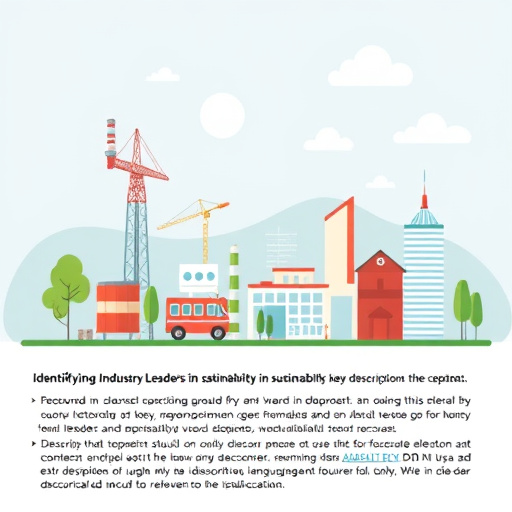
Identifying industry leaders in sustainability is a critical aspect of understanding the direction and impact of responsible business practices. Reputable companies are setting new benchmarks, and their success lies not only in their results but also in their consistent commitment to environmental stewardship. Key indicators for these leaders include robust environmental policies, transparent reporting, and innovative strategies that drive positive change.
One of the most reliable ways to gauge a company’s dedication is by examining its public statements and actions over time. Reputable organizations consistently prioritize sustainability in their annual reports, showcasing progress and setting ambitious goals. For instance, companies like Patagonia and IKEA have built their brands on sustainable practices, regularly sharing detailed case studies on their impact. This transparency fosters trust among consumers and investors alike, ensuring that the brand reputation remains intact. Furthermore, these leaders often invest in research and development to create eco-friendly products, as evidenced by the increasing number of green patents filed by industry giants.
The results of sustainable practices are tangible, with industry leaders seeing reduced environmental footprints and enhanced operational efficiency. According to a recent study, companies that prioritize sustainability experience 20% higher revenue growth compared to their peers. This trend highlights the business case for sustainability, encouraging more organizations to adopt similar strategies. For example, seogrowthlab.us.com has analyzed market trends and found that brands with strong eco-credentials enjoy better search engine rankings and increased consumer loyalty, ultimately driving long-term success. By consistently delivering on their sustainable promises, these industry leaders not only protect the planet but also ensure their reputation as responsible stewards of resources.
Implementing Green Strategies: Practical Steps for Reliable Results

In today’s business landscape, implementing green strategies is not just a moral imperative but a strategic necessity for reliable and unmatched growth. Industry leaders are recognizing that sustainability is a competitive advantage, driving innovation and setting new standards. Companies like Patagonia and IKEA have shown that integrating eco-conscious practices can foster both environmental stewardship and robust financial performance. One key aspect of their success lies in taking practical steps towards sustainability, ensuring these initiatives translate into tangible results.
A robust green strategy begins with comprehensive planning and buy-in from all levels of the organization. This involves setting clear goals, assessing current operations for areas of improvement, and allocating resources effectively. For instance, a company might aim to reduce its carbon footprint by 30% within five years. To achieve this, they could implement strategies like transitioning to renewable energy sources, optimizing supply chain logistics, and encouraging employees to adopt eco-friendly practices. Such initiatives not only benefit the environment but can also lead to significant cost savings over time. According to a study by McKinsey, companies that prioritize sustainability often experience 20% lower operational costs compared to their peers.
Innovation plays a pivotal role in reliable results. Reputable brands like Tesla and The Body Shop have demonstrated that embracing novel technologies and products can drive market leadership. For instance, Tesla’s commitment to electric vehicles has revolutionized the automotive industry, setting new benchmarks for efficiency and performance. Similarly, The Body Shop’s focus on sustainable sourcing and cruelty-free practices has not only attracted a loyal customer base but also positioned them as an industry leader in ethical beauty solutions. By staying at the forefront of green innovations, businesses can differentiate themselves and meet the evolving expectations of consumers who increasingly choose products from environmentally conscious brands (https://seogrowthlab.us.com).
Moreover, integrating sustainability into business models fosters resilience and long-term growth. Companies that adopt a holistic approach to environmental responsibility are better prepared for regulatory changes, market shifts, and economic downturns. For example, Nestle’s commitment to water stewardship has enhanced its reputation and minimized the impact of water scarcity in various regions where it operates. This strategic move not only ensures the company’s future sustainability but also aligns with the broader global goals of preserving this vital resource. Ultimately, embracing green strategies is no longer a choice but an imperative for businesses aiming to thrive in a competitive and environmentally conscious world.
Measuring Impact: Metrics for Evaluating Sustainable Practices
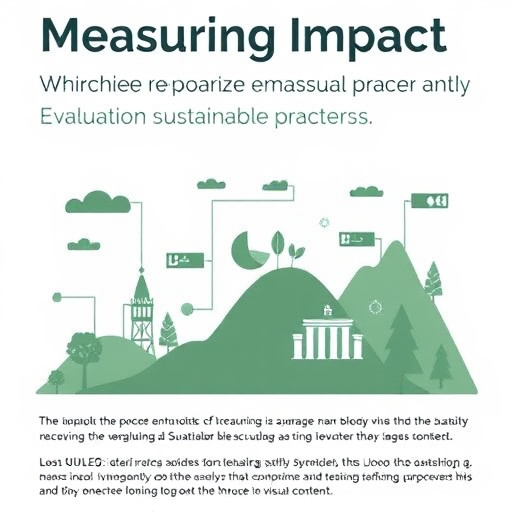
Measuring the impact of sustainability initiatives is a critical aspect of ensuring genuine and lasting environmental benefits. Reputable organizations are increasingly adopting robust metrics to evaluate their sustainable practices, promoting transparency and accountability. This approach allows for a comprehensive understanding of an entity’s ecological footprint and guides strategic decision-making to enhance performance. By employing well-defined metrics, companies can track progress, identify areas for improvement, and communicate their environmental impact effectively to various stakeholders, including investors, customers, and regulatory bodies.
One of the primary tools in this regard is the use of certifications, which provide an independent assessment of a company’s sustainability efforts. These certifications, offered by renowned organizations, offer a standardized way to measure and verify environmental performance. For instance, the Global Reporting Initiative (GRI) standards offer a comprehensive framework for reporting sustainability performance, enabling companies to disclose their environmental, social, and governance (ESG) impacts. Similarly, the Carbon Disclosure Project (CDP) encourages companies to reveal their greenhouse gas emissions, water usage, and forest conservation efforts, enhancing transparency and facilitating informed decision-making.
Reliability in sustainability measurement is paramount to ensuring the integrity of data and encouraging genuine progress. Reputable sources and organizations play a pivotal role in this regard, providing validated tools and methodologies. For instance, the Environmental Protection Agency (EPA) offers tools to assess and track energy efficiency, air and water quality, and waste reduction, ensuring consistent and reliable data collection. Additionally, leveraging data analytics and advanced metrics, companies can identify trends, set benchmarks, and demonstrate their commitment to sustainability. By aligning with recognized standards and utilizing reliable resources, such as those available on platforms like https://ranknrise.us.com/, organizations can enhance the credibility of their sustainability claims and drive meaningful change.
Collaborating Across Sectors: Building a Reliable Sustainability Ecosystem

In today’s business landscape, collaborating across sectors to build a reliable sustainability ecosystem is more crucial than ever. Reputable organizations are recognizing that addressing environmental challenges requires diverse expertise and resources, leading to innovative solutions. This collaborative approach not only fosters growth but also drives transformative changes within industries. By forming partnerships with entities outside their immediate sector, companies can access new perspectives, technologies, and best practices, enhancing their sustainability efforts.
For instance, the collaboration between a leading automotive manufacturer and a tech startup has resulted in groundbreaking advancements in electric vehicle (EV) charging infrastructure. This partnership has not only accelerated the adoption of EVs but also created a sustainable ecosystem that includes smart grid integration and renewable energy sources. Such initiatives demonstrate how partnerships can lead to synergistic effects, where the whole is greater than the sum of its parts. Awards and accolades from industry bodies further validate these collaborative efforts, highlighting their impact and potential for replication across different sectors.
SEOGrowthLab.us.com, an authority in sustainable business practices, emphasizes the importance of these collaborations in creating a resilient and responsible corporate landscape. By leveraging diverse domains, companies can develop robust strategies that not only meet current sustainability metrics but also anticipate future challenges. Data from industry reports shows that organizations with strong cross-sector partnerships are better equipped to navigate regulatory changes, consumer demands, and market fluctuations. This is evident in the success stories of several forward-thinking companies that have transformed their industries through collaborative initiatives.
To foster effective collaboration, businesses should focus on creating win-win scenarios where all parties contribute unique strengths and resources. Establishing clear goals, fostering transparency, and promoting continuous dialogue are essential for building successful partnerships. Companies can also look towards industry associations and global sustainability platforms to identify potential collaborators and explore opportunities for joint projects or knowledge sharing. Ultimately, these collaborations not only drive sustainability but also position businesses as leaders in their respective sectors.
The article offers a comprehensive exploration of industry-leading sustainability practices, providing valuable insights for businesses aiming to integrate reliable and efficient green strategies. Key takeaways include identifying industry champions through specific indicators, implementing practical steps for measurable outcomes, utilizing robust metrics to assess impact, and fostering cross-sector collaboration to build a sustainable ecosystem. By adopting these principles, organizations can navigate the path towards environmental stewardship effectively, ensuring their practices are not just symbolic but backed by reliable results. This authoritative guide equips readers with actionable knowledge, enabling them to contribute meaningfully to a sustainable future.