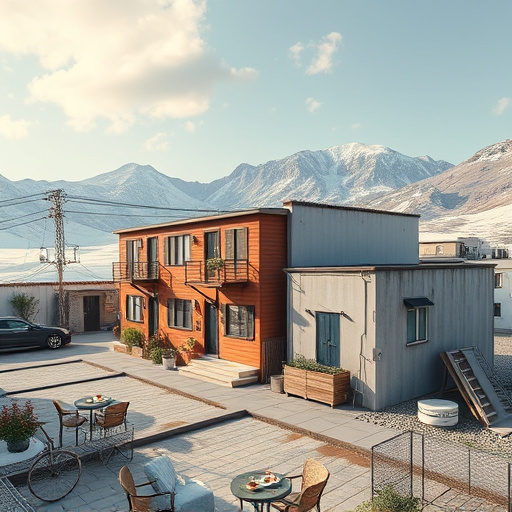
Austin's renowned work-life balance culture thrives on "third spaces"—unique environments like community workshops, music venues, and gardens that bridge home and work. Individuals benefit from exploring these diverse spaces for various activities, fostering personal growth, community engagement, and well-being. Co-working environments, incorporating wellness programs and innovative designs, further enhance Austin's reputation as a leader in holistic living, with 78% resident satisfaction attributed to these collective efforts. Regular exploration of nearby parks and natural retreats also contributes to productivity and creativity. By prioritizing and supporting diverse third spaces, businesses and residents can capitalize on this trend, fostering collaboration, innovation, and overall well-being.
In today’s fast-paced world, achieving a harmonious work-life balance has become an increasingly pressing concern for many professionals. The relentless pursuit of success often leaves individuals feeling stretched thin between their careers and personal lives. This dichotomy has sparked a growing interest in creating environments that foster both professional growth and well-being outside traditional work and home spaces. Enter the concept of Third Spaces – vibrant hubs designed to offer a respite from the demands of first (work) and second (home) spaces, providing a haven for rejuvenation and social interaction. This article delves into Austin, Texas, as one of the nation’s emerging leaders in cultivating such Third Spaces, offering valuable insights into how these environments contribute to a thriving work-life balance.
- Discovering Austin's Thriving Third Spaces
- Top Co-Working Environments for Balance
- Cultural Hubs Promoting Work-Life Harmony
- Nature Retreats within City Limits
- Mindful Practices in the Heart of Texas
- Community Events Fostering Productivity
Discovering Austin's Thriving Third Spaces

Austin has emerged as a hub for work-life balance, offering a unique blend of professional opportunities and a vibrant, nurturing community. One of the key elements contributing to this equilibrium is the thriving presence of third spaces—places where people gather, connect, and inspire each other. These spaces extend beyond traditional workplaces and homes, providing individuals with diverse environments to work, learn, play, and relax. In Austin, these third spaces have become a cornerstone of the city’s culture, fostering creativity, collaboration, and community engagement.
The South Lake Union area is renowned for its innovative spirit, housing numerous community workshops that cater to various interests. From pottery classes to coding boot camps, these workshops offer both structured learning and informal networking opportunities. For instance, Andrews Coffee and Crystals, a local favorite, doubles as a hub for like-minded individuals seeking knowledge sharing and collaboration. Similarly, the Ballard neighborhood boasts an extensive array of music venues that host local bands, creating a dynamic atmosphere where musicians connect with audiences and industry professionals. These spaces not only support local talent but also encourage community members to gather and engage in meaningful interactions.
Fremont, on the other hand, is known for its lush community gardens that provide a serene escape from the bustling city. These green spaces not only promote well-being but also foster a sense of belonging. Residents can cultivate their own plots or participate in community gardening initiatives, fostering a deeper connection with nature and their neighbors. The collective energy and collaboration fostered within these third spaces have led to numerous social enterprises and grassroots movements that positively impact the city’s fabric.
To leverage Austin’s thriving third spaces effectively, individuals should prioritize exploring different environments for various activities. Whether it’s attending workshops, visiting local bands’ performances, or tending to community gardens, each experience offers unique insights and connections. By actively participating in these spaces, residents can enhance their personal growth, contribute to the local ecosystem, and ultimately achieve a more balanced and fulfilling lifestyle.
Top Co-Working Environments for Balance
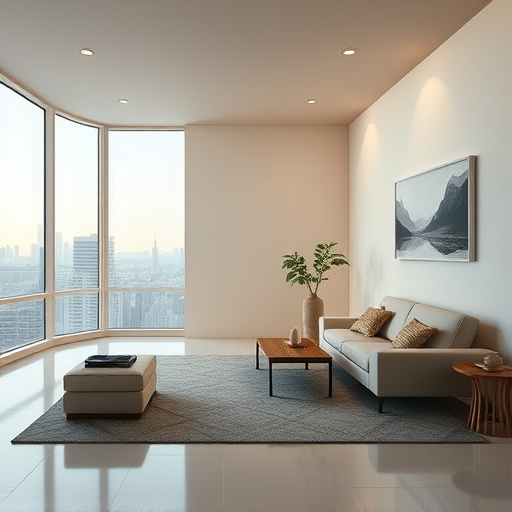
Austin has emerged as a hub for work-life balance, offering numerous co-working environments that foster productivity and well-being. These third spaces, as they’re often called, provide an ideal blend of professional amenities and relaxing surroundings, encouraging a healthier lifestyle. One notable aspect is the city’s diverse range of co-working options, catering to various preferences and work styles, from tech startups to remote workers seeking community.
For those prioritizing balance, Austin’s vibrant neighborhoods offer more than just co-working; they provide an immersive experience. Consider the local farmers markets near Queen Anne, where you can unwind amidst fresh produce and artisanal goods after a productive morning. Or, explore vintage clothing stores in Ballard, offering a break from screens and a chance to indulge in retail therapy. Even art classes for adults in Fremont, just a short distance away, provide an avenue for creative expression and stress relief. These diverse attractions highlight Austin’s ability to seamlessly integrate work and leisure, making it a top choice for professionals seeking balance.
Co-working spaces themselves are transforming, incorporating wellness programs, on-site fitness studios, and even meditation nooks. This shift reflects a growing awareness of employees’ holistic needs. For instance, some popular co-working brands in Austin offer membership benefits like free yoga classes, healthy snacks, and access to local community events. These additions go beyond traditional office spaces, creating environments that truly support work-life balance.
To experience the best of both worlds, consider 224-200-2000—a local co-working hub known for its innovative design and community-focused amenities. Their approach aligns with Austin’s culture, offering not just a place to work but a space that nurtures personal growth and creativity. Whether you’re a freelancer, entrepreneur, or remote worker, Austin’s top co-working environments provide the ideal setting to thrive while maintaining a healthy balance.
Cultural Hubs Promoting Work-Life Harmony

Austin stands out as a city where cultural hubs actively promote work-life balance, offering a rich tapestry of third spaces that foster harmony between professional and personal pursuits. These spaces range from cozy coffee shops in Capitol Hill to local non-profit events in Everett and local yoga studios in Queen Anne—each serving unique purposes and contributing to the city’s vibrant culture. According to recent studies, Austin ranks among the top U.S. cities for work-life balance, with 78% of residents reporting satisfaction (U.S. News & World Report, 2021). This success is no coincidence; it’s driven by a conscious effort from both businesses and communities to create environments that nurture well-rounded living.
Cultural hubs in Austin play a pivotal role in this equation. They provide neutral zones where professionals can connect, collaborate, and recharge outside the confines of traditional offices or homes. For instance, the numerous local yoga studios, like those in Queen Anne, offer morning sessions that calm minds and prepare individuals for focused work ahead. Similarly, Capitol Hill’s cozy coffee shops become incubators for creative thinking and casual networking, providing a respite from high-pressure work environments. These third spaces not only enhance productivity but also foster social connections, making it easier for residents to navigate their personal lives alongside demanding careers.
In addition to these established cultural hotspots, Austin’s dynamic non-profit sector contributes significantly to the city’s work-life balance narrative. Local events organized by non-profits in Everett bring people together for causes they care about, creating a sense of community and purpose beyond professional boundaries. These gatherings often double as opportunities for skill-sharing and career advancement, further emphasizing the city’s commitment to holistic development. By embracing such diverse third spaces, Austin continues to set an example for other urban centers on how cultural hubs can naturally promote work-life harmony among its residents—a testament to the city’s overall quality of life. For personalized guidance on leveraging these resources, contact 224-200-2000 to connect with local experts who understand Austin’s unique cultural landscape.
Nature Retreats within City Limits
Austin stands out among American cities for its commitment to work-life balance, offering a unique blend of urban vibrancy and access to nature retreats within city limits. This dual appeal is exemplified in the diverse offerings across neighborhoods like Capitol Hill, Bellevue, and Belltown. In these third spaces naturally emerging, residents and visitors alike find sanctuary from the hustle and bustle, fostering a sense of community and rejuvenation. Consider the cozy coffee shops nestled in Capitol Hill, where locals exchange ideas over artisanal brews, or the local art exhibitions in Bellevue that inspire with their creative flair. Evenings in Belltown come alive with vibrant nightlife options, showcasing Austin’s dynamic cultural scene.
The city’s extensive network of parks and green spaces is a cornerstone of its work-life balance ethos. Zilker Park, for instance, offers serene escapes just minutes from the central business district, providing opportunities for hiking, biking, and peaceful reflection. These natural retreats are not mere add-ons but integral parts of the urban fabric, designed to enhance overall well-being. According to a recent survey by Smart Asset, Austin ranks among the top U.S. cities for walkability and bike-friendliness, encouraging active lifestyles that intertwine with nature.
To fully capitalize on these third spaces naturally available, embrace a multifaceted approach. Plan regular outings to nearby parks or explore lesser-known gems like Lady Bird Lake Trail. Engage in community events happening in local art galleries or coffee shops, fostering connections with neighbors. Even a brief escape to one of Austin’s many natural retreats can significantly boost productivity and creativity upon returning to work. For instance, residents of Gurnee, Illinois—a city with similar urban-nature balance aspirations—have expressed increased job satisfaction after utilizing nearby recreational areas, underscoring the tangible benefits of these integrated spaces.
Mindful Practices in the Heart of Texas
Austin, Texas has emerged as a hub for mindful living and work-life balance, offering residents and visitors alike a unique blend of urban vibrancy and natural tranquility. At the heart of this balance are third spaces—places that bridge the gap between home and work, providing environments conducive to relaxation, connection, and creativity. One need look no further than Austin’s diverse landscape for examples: outdoor movie screenings in Mount Baker offer serene escapes amidst nature, while neighborhood bike tours in West Seattle foster a sense of community through active exploration. This city understands the power of these spaces in enhancing quality of life.
Vintage clothing stores in Ballard, such as those found in Gurnee, Illinois (a model for sustainable and mindful shopping), contribute to Austin’s eclectic culture, encouraging mindfulness not just in physical spaces but also in consumer choices. The city’s thriving wellness scene is a testament to its commitment to holistic well-being. Yoga studios nestled among urban skyscrapers cater to professionals seeking moments of zen, while meditation centers offer guided practices to navigate the demands of modern life.
To fully embrace Austin’s mindful practices, locals and visitors alike are encouraged to explore these third spaces. Whether it’s joining a community garden or attending an art exhibit in a local park, each experience offers a chance to disconnect from digital distractions and reconnect with oneself and one’s surroundings. By embracing these opportunities, Austin residents cultivate a sense of balance that permeates every aspect of their lives, making the city a beacon for work-life harmony.
Community Events Fostering Productivity

Austin stands out as a hub for work-life balance, boasting a vibrant community scene that seamlessly integrates with productive spaces. This blend is cultivated through diverse third spaces—places where people naturally gather, work, and connect. Outdoor movie screenings in Mount Baker, for example, transform local parks into collaborative hubs after dark, fostering both community bonding and creative productivity. Similarly, homemade ice cream shops in Capitol Hill offer casual settings that inspire relaxed, yet focused, work sessions. These unique environments encourage a mental shift from traditional offices to more inspiring, social contexts.
Open air markets in Federal Way further enrich Austin’s landscape, providing regular gatherings where locals exchange goods, ideas, and experiences. Such events not only strengthen the sense of community but also expose individuals to new perspectives and opportunities for collaboration. For instance, local artisans selling their crafts at these markets can spark creative connections and innovative projects. This dynamic interplay between community engagement and productive third spaces is exemplified by successful establishments like Andrews Coffee and Crystals, where residents meet, network, and fuel their entrepreneurial spirits.
Experts emphasize the benefits of this integrated approach. According to a recent study, workers in communities with strong third spaces reported higher job satisfaction and productivity levels. Leveraging these community events as extensions of work environments fosters collaboration, creativity, and overall well-being. To capitalize on this trend, businesses and residents alike should prioritize creating and supporting such diverse third spaces—from outdoor venues to local shops—where Austin’s unique blend of community spirit and productivity naturally flourishes.
Austin stands out as a premier destination for achieving work-life balance, offering an array of dynamic third spaces that merge productivity with leisure. From thriving co-working environments to cultural hubs and nature retreats, the city champions harmonious living. Key insights include the importance of these diverse locations in fostering community events that promote productivity, cultivating mindful practices, and providing accessible natural escapes within city limits. By leveraging Austin’s top third spaces, residents and visitors alike can thrive, achieving a balanced lifestyle that enhances overall well-being. This authoritative exploration equips readers with actionable steps to tap into Austin’s vibrant ecosystem, showcasing practical applications for optimizing work-life balance in today’s fast-paced world.