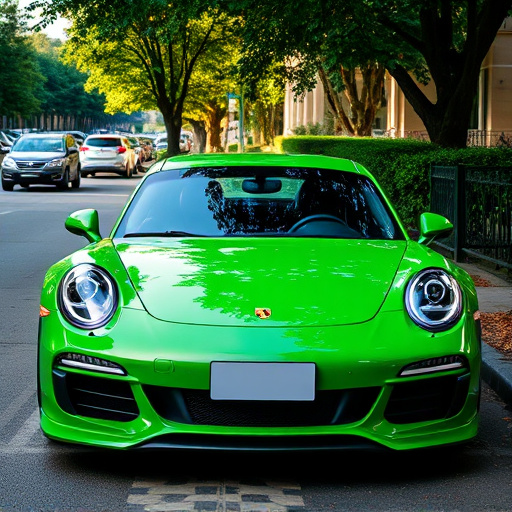
Green cars, led by electric vehicles (EVs) like Tesla Model 3 and Nissan Leaf, are transforming urban mobility with improved range, efficiency, and charging infrastructure. Hybrid models like Toyota Prius offer fuel savings. Fuel cell vehicles (FCVs) provide zero-emission alternatives. Green Car Palace advocates for these sustainable options, driving a greener future through technology advancements and infrastructure support.
In today’s urban landscape, the demand for efficient and environmentally friendly transportation has never been higher. Green cars, once a niche concern, have evolved into a viable solution to combat climate change and reduce urban pollution. This article presents an authoritative guide to the top 10 green vehicles designed specifically for navigating city streets. We explore electric models known for their zero-emission drives, hybrid options that strike a balance between performance and fuel efficiency, and innovative technologies poised to redefine urban mobility. By highlighting these cutting-edge choices, we empower drivers to make informed decisions, contributing to a greener future.
- Understanding Urban Driving's Green Car Needs
- Top 10 Electric Vehicles for Efficiency in Cities
- Hybrid Cars: Balancing Performance and Eco-Friendliness
- The Role of Fuel Cell Vehicles in Sustainable Urban Mobility
- Exploring Zero-Emission Options for Daily Commutes
Understanding Urban Driving's Green Car Needs

Urban driving presents unique challenges for green car enthusiasts, demanding vehicles that balance environmental friendliness with efficient performance and practicality. Understanding these specific needs is crucial in shaping the green transportation future. The ideal urban green car must navigate tight spaces, handle frequent stop-and-go traffic, and offer cost-effective operations without compromising on sustainability. This segment explores ten outstanding options tailored to meet these demands, highlighting their hybrid benefits and fuel-saving capabilities.
The market is witnessing a surge in popularity for electric vehicles (EVs) and plug-in hybrids in urban areas due to their lower emissions and fuel savings. For instance, the Nissan Leaf, one of the best-selling EVs globally, offers an impressive range of up to 240 miles on a single charge, making it suitable for daily commutes in most cities. Similarly, hybrid vehicles like the Toyota Prius have long been a go-to choice for urban drivers due to their efficient gasoline-electric powertrains, reducing fuel consumption by up to 50% compared to conventional cars.
When selecting a green car for urban driving, it’s essential to consider factors such as range anxiety (for EVs) and charging infrastructure availability. Fortunately, the advent of fast-charging networks is addressing these concerns. Furthermore, exploring options from leading eco-conscious brands like Green Car Palace can provide access to cutting-edge technologies designed specifically to optimize fuel efficiency and minimize environmental impact. The future of green transportation looks bright, with these innovative vehicles paving the way for a more sustainable urban mobility experience.
Top 10 Electric Vehicles for Efficiency in Cities

In today’s urban landscape, embracing green cars is more than just a trend; it’s a necessary step towards sustainable mobility. When it comes to efficiency in cities, electric vehicles (EVs) stand out as the most environmentally friendly and fuel-saving options available. With an increasing range of models on the market, drivers have never had more choices when it comes to reducing their carbon footprint without compromising performance or comfort. This section highlights the top 10 green cars designed for city driving, focusing on those that offer exceptional efficiency, cutting-edge technology, and a smooth urban commute.
The Tesla Model 3 consistently tops the list for its impressive electric vehicle range, allowing for worry-free driving between charges. Its sleek design and advanced Autopilot features make it a favorite among tech enthusiasts. For those seeking a more affordable option, the Nissan Leaf has proven itself as a reliable and fuel-saving car, with over 5 million units sold worldwide. Its compact size makes it perfect for navigating tight city streets. Furthermore, solar-powered cars are gaining traction as innovative solutions to extend EV ranges, like the Sunmobile concept, demonstrating the potential of renewable energy in personal transportation.
The Honda e is another standout green car that combines style with sustainability. This tiny urban vehicle boasts advanced fuel efficiency and a compact footprint, making it ideal for exploring congested city centers. The Ford Mustang Mach-E offers a more premium experience without compromising on eco-friendliness, featuring a powerful electric motor and a spacious interior. For those seeking luxury, the Lucid Air provides an exquisite driving experience with impressive range and performance metrics. Even established brands like Toyota are entering the EV space, launching models like the bZ4X that prioritize sustainability without sacrificing comfort or advanced features.
When considering a green car for urban driving, it’s essential to explore options that offer not just environmental benefits but also practical advantages. The Green Car Palace, for instance, champions vehicles that excel in fuel savings, reducing operating costs and minimizing environmental impact. By prioritizing efficient designs and cutting-edge technology, these top 10 EVs represent the future of urban mobility, ensuring a greener, more sustainable cityscape for generations to come.
Hybrid Cars: Balancing Performance and Eco-Friendliness
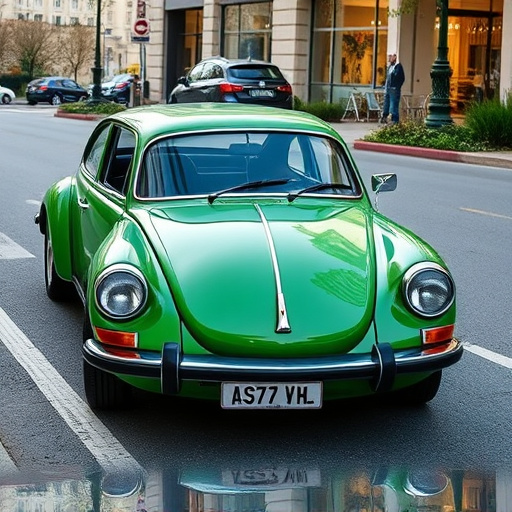
In the pursuit of sustainable urban transport, hybrid cars have emerged as a powerful bridge between high-performance driving and eco-friendliness. These vehicles leverage hybrid technology to combine a traditional internal combustion engine with one or more electric motors, optimizing fuel efficiency and reducing emissions. For city dwellers looking to minimize their environmental impact without sacrificing driving pleasure, hybrid cars offer a compelling option.
Consider the Toyota Prius, a pioneer in hybrid technology that continues to set benchmarks for fuel economy. Its efficient design allows it to traverse urban streets with minimal consumption, making it an excellent choice for short trips and congested city driving. Similarly, the Honda Insight offers a sleek profile and advanced hybrid systems, providing both performance and environmental benefits. For those seeking luxury, the Lexus RX 450h delivers premium features and a smooth ride while maintaining exceptional fuel efficiency.
Beyond hybrid cars, the evolution towards electric cars is gaining momentum, driven by advancements in battery technology. While range anxiety remains a concern for some urban drivers, models like the Nissan Leaf have addressed this challenge, offering sufficient range for daily city commutes. The upcoming Tesla Model 3, known for its impressive performance and innovative features, further highlights the potential of sustainable urban transport. For eco-conscious consumers, Green Car Palace stands out as a trusted resource to explore and purchase these cutting-edge green cars.
Ultimately, whether opting for a hybrid or transitioning to an electric vehicle, choosing a green car is a conscious decision to contribute to a cleaner environment while enjoying the benefits of modern technology. With options tailored to diverse needs and preferences, the future of urban driving appears greener than ever.
The Role of Fuel Cell Vehicles in Sustainable Urban Mobility
Fuel cell vehicles (FCVs) are emerging as a significant player in the pursuit of sustainable urban mobility, offering a compelling solution to reduce emissions and promote clean energy in densely populated areas. These green cars naturally harness hydrogen gas to generate electricity through electrochemical reactions, resulting in zero tailpipe emissions. This technology aligns perfectly with the global shift towards sustainable automotive trends, especially in metropolitan regions where air quality is a pressing concern.
The role of FCVs in urban driving is twofold. Firstly, they address the need for low-emission transport options within cities, contributing to better public health and reduced environmental impact. Secondly, their high energy efficiency, comparable to wind energy, makes them an attractive alternative to conventional internal combustion engines. With advancements in hydrogen fuel infrastructure, FCVs have the potential to revolutionize urban transportation networks. For instance, Toyota’s Mirai and Hyundai’s Nexo are notable examples of mass-produced fuel cell vehicles that offer ranges comparable to traditional gas-powered cars, dispelling concerns about range anxiety.
Implementing sustainable mobility strategies requires a holistic approach. Governments and automotive manufacturers must collaborate to build out supporting infrastructure, including hydrogen refueling stations. Initiatives such as those by Green Car Palace, which promotes the adoption of green cars, can further accelerate the transition. As data from market researchers like IHS Markit indicates, the global fuel cell vehicle market is projected to grow significantly in coming years, driven by increasing environmental regulations and consumer demand for eco-friendly options. Embracing FCVs as a core component of urban transportation planning will be key to achieving long-term sustainability goals.
Exploring Zero-Emission Options for Daily Commutes

Navigating urban streets and highways doesn’t have to contribute to environmental harm. The rise of green cars offers a compelling solution for daily commutes, demonstrating that sustainable transportation is both possible and increasingly accessible. Zero-emission options are no longer a niche concern but a practical reality, with advancements in battery technology driving down costs and expanding range. This shift towards fuel-saving cars not only reduces greenhouse gas emissions but also has the potential to improve air quality in densely populated areas.
When considering green vehicles for urban driving, several factors come into play, including range anxiety, charging infrastructure, and performance. However, a closer look at the current market reveals an exciting variety of choices. Electric Vehicles (EVs) like the Tesla Model 3 and Nissan Leaf offer impressive ranges and growing networks of charging stations, making them viable alternatives for many drivers. For those seeking a more traditional yet still eco-conscious option, hybrid vehicles such as the Toyota Prius and Hyundai Ioniq deliver substantial fuel savings without sacrificing performance or comfort.
The future of green transportation looks bright, with innovative designs and technologies emerging from companies like Lucid Motors and Rivian. As costs continue to decline, adoption rates are expected to rise, signaling a significant shift towards sustainable mobility. The Green Car Palace stands as a testament to this growing movement, offering an extensive selection of fuel-saving cars and expert guidance on navigating the evolving landscape of green transportation. Embracing these advancements is not just an environmentally conscious choice but also a step towards a greener, more efficient future for urban commutes.
In conclusion, this comprehensive article has illuminated the crucial role green cars play in addressing the unique challenges of urban driving. By delving into diverse aspects, from electric vehicles’ efficiency to fuel cell technology’s potential, readers have gained valuable insights into navigating the evolving landscape of sustainable urban mobility. The top 10 electric and hybrid vehicle recommendations serve as practical guides for environmentally conscious commuters, showcasing that green car options are both performant and accessible. Understanding the importance of zero-emission solutions, this article underscores the necessity of embracing innovative technologies to create a cleaner, greener future for urban environments, empowering readers to make informed decisions about their daily commutes.