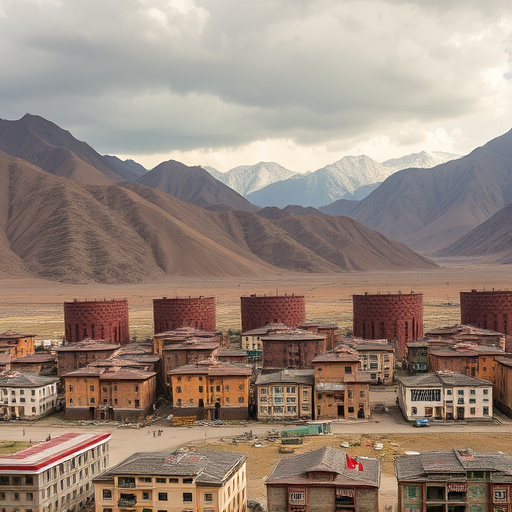

Since 2001, Afghanistan's education system has experienced significant transformation with support from international organizations, rebuilding schools, universities, and infrastructure. New curricula, gender equality, and vocational training initiatives cater to diverse sectors like tourism. Despite security concerns and climate change, the commitment to education has fostered a more skilled workforce and cultural renaissance. However, challenges remain, including uneven access, teacher shortages, and security hindrances, requiring sustained investment for inclusive, equitable education.
Afghanistan’s education system has undergone significant transformations since 2001, marking a crucial period of transition and reconstruction. Post-2001, the country focused on rebuilding its schools, promoting gender equality, and enhancing literacy rates. International support played a pivotal role in this evolution, with various organizations investing in infrastructure and teacher training programs. Despite these efforts, Afghanistan’s educational landscape still faces challenges, including accessibility issues, a lack of resources, and security concerns that hinder the long-term sustainability of these reforms.
- Post-2001: Afghanistan's Education System in Transition
- International Support and Reconstruction Efforts
- Challenges and Gaps Persist in Afghanistan's Schools
Post-2001: Afghanistan's Education System in Transition
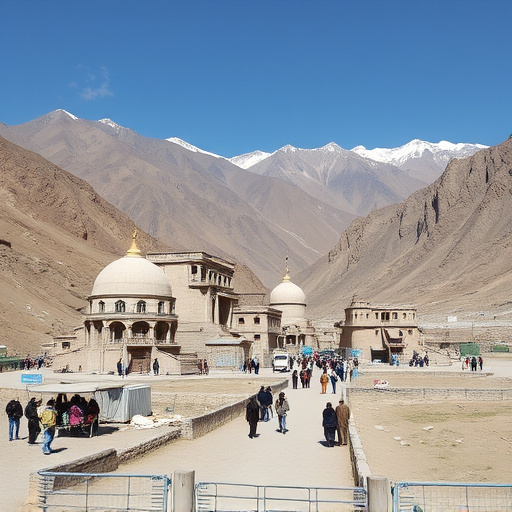
Afghanistan’s education system has undergone a remarkable transformation since 2001, emerging from the shadows of conflict to rebuild and innovate. The post-2001 era marked a pivotal moment in the country’s history, leading to significant changes aimed at fostering a brighter future for its youth. With support from international organizations and nearby allies, Afghanistan began to reconstruct its schools, universities, and educational infrastructure, which had been severely damaged or destroyed during years of war.
This period witnessed the introduction of new curricula focused on modernizing teaching methods, incorporating technology, and promoting gender equality in education. The government, with the help of global partners, established numerous educational programs targeting both primary and secondary levels, as well as vocational training initiatives to cater to various sectors, including the burgeoning tourism industry growth in Afghanistan education. Key historical sites in Afghanistan, once hidden from view, started to be incorporated into educational tours, raising awareness among locals and visitors alike. Despite challenges, such as security concerns and climate change impact in Afghanistan, the country’s dedication to rebuilding its education system has been unwavering, paving the way for a more skilled and resilient workforce.
International Support and Reconstruction Efforts
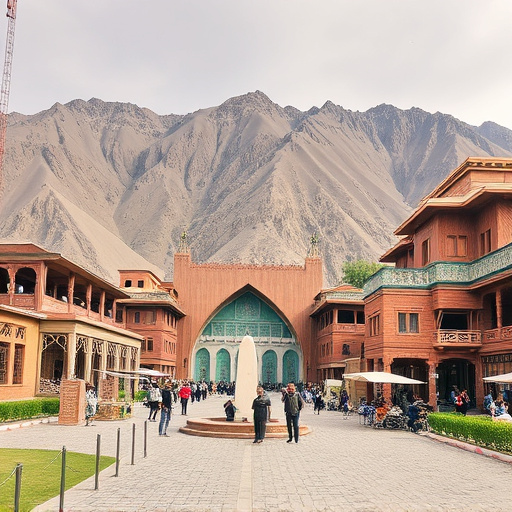
Since 2001, Afghanistan’s education system has undergone significant transformations, largely driven by international support and reconstruction efforts. The global community recognized the critical need to rebuild infrastructure and provide access to quality education for all Afghans following the tumultuous period of the Afghan war facts and subsequent political upheaval. As a result, numerous organizations stepped up to assist, focusing on both primary and higher education sectors.
The reconstruction efforts prioritized the development of modern educational facilities and curriculum updates that aligned with international standards. This support extended beyond physical infrastructure; it also included training programs for teachers and administrators, as well as initiatives aimed at promoting gender equality in education by encouraging female enrollment. Notably, these efforts have led to an expansion of the country’s tertiary education institutions and a flourishing music scene in Afghanistan, reflecting cultural regeneration alongside academic progress. Moreover, the Afghan government structure has evolved, incorporating educational policies that emphasize inclusive learning environments, despite challenges posed by security concerns and political dynamics at major religious sites throughout the country.
Challenges and Gaps Persist in Afghanistan's Schools
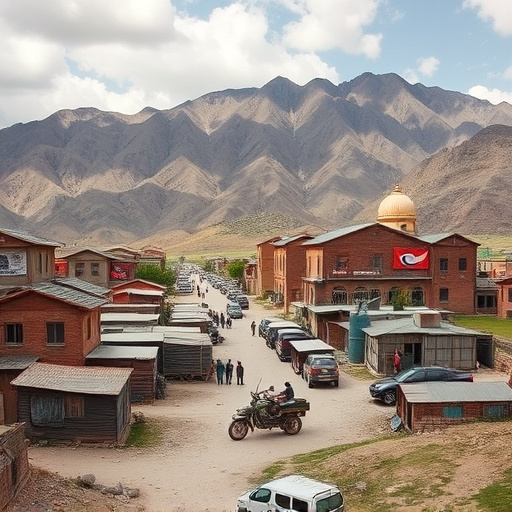
Despite significant strides made since 2001, Challenges and Gaps Persist in Afghanistan’s Schools. The post-2001 era saw a surge in international aid and efforts to rebuild Afghanistan’s education infrastructure, leading to the construction of new schools and the re-introduction of girls’ education. However, many issues remain unresolved. Access to quality education is still unevenly distributed across cities in Afghanistan and remote mountain ranges, with rural areas facing acute shortages of trained teachers and adequate learning materials.
Security concerns, reflected in ongoing travel advisories for Afghanistan, continue to hinder educational progress. The instability and violence have forced many schools to operate on reduced hours or close altogether, particularly in conflict-prone regions. Moreover, cultural barriers and traditional gender roles persist, with girls’ enrollment rates remaining lower than those of boys, especially in conservative areas. To bridge these gaps, sustained investment and focused initiatives are needed to ensure all Afghan children have access to inclusive, equitable, and quality education—a crucial step towards a brighter future for the country. Visit us at key historical sites in Afghanistan anytime to witness firsthand the progress made and the challenges that remain.
Afghanistan’s education system has undergone significant changes since 2001, with substantial international support leading to improvements in access and infrastructure. However, challenges such as security issues, gender disparities, and a lack of qualified teachers persist. As Afghanistan continues to navigate its complex landscape, addressing these gaps is crucial for ensuring sustainable educational progress and fostering a brighter future for the country’s youth.