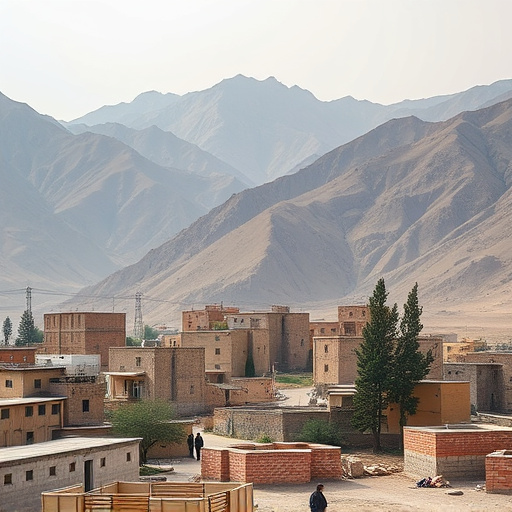

Afghanistan's handicrafts, from carpet weaving to metalwork, are vibrant expressions of its rich cultural history and diverse traditions. Influenced by historical events and trade routes, these crafts showcase adaptability despite political upheaval. Today, they sustain local economies, captivate global audiences, and preserve Afghanistan's cultural legacy. By purchasing Afghan handicrafts, we support post-conflict recovery and empower communities.
Afghan handicrafts, with their rich historical roots and vibrant cultural legacy, have captivated the global stage. From intricate carpet weaving to exquisite metalwork and handmade ceramics, these crafts tell stories of Afghanistan’s diverse regions and ancient traditions. This article explores the significance of Afghan handicrafts both culturally and economically, highlighting their unique designs that resonate worldwide. Delve into the profound impact they have on local communities, fostering sustainability and preserving age-old skills.
- Historical Roots of Afghan Handicrafts: A Cultural Legacy
- Global Appeal: Unique Designs and Their Storytelling
- Sustaining Livelihoods: The Impact on Afghan Communities
Historical Roots of Afghan Handicrafts: A Cultural Legacy
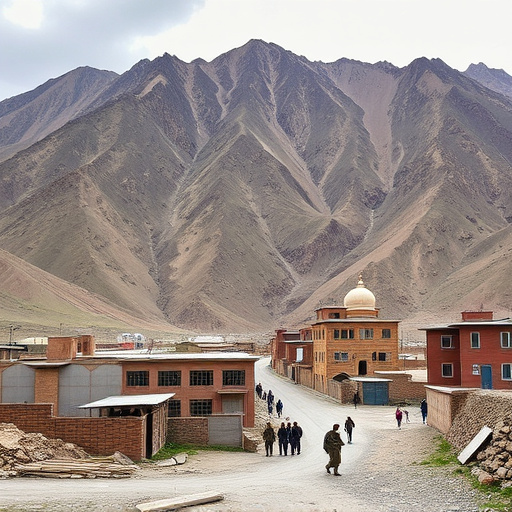
Afghanistan’s handicrafts are deeply rooted in its rich cultural history, offering a window into the country’s diverse traditions and heritage. For centuries, skilled artisans have crafted exquisite pieces that reflect the unique aesthetics and narratives of various Afghan regions. From intricate carpet weaving to finely carved wood and metalwork, these crafts have not only been a source of sustenance but also powerful carriers of cultural identity. The art of pottery, for instance, dates back millennia, with ancient techniques still practiced today, producing vibrant ceramics adorned with traditional motifs.
The historical roots of Afghan handicrafts are intertwined with the country’s various invasions and trade routes, allowing these crafts to evolve and absorb influences from neighboring cultures. As a result, Afghan handicrafts stand as a testament to resilience and adaptability, showcasing the ability of these traditions to flourish despite political upheaval and conflict. Today, they represent not only a vital part of Afghanistan’s economy but also a cultural legacy that continues to captivate global audiences, encouraging visitors to immerse themselves in the country’s vibrant music scene and experience its rich heritage firsthand.
Global Appeal: Unique Designs and Their Storytelling
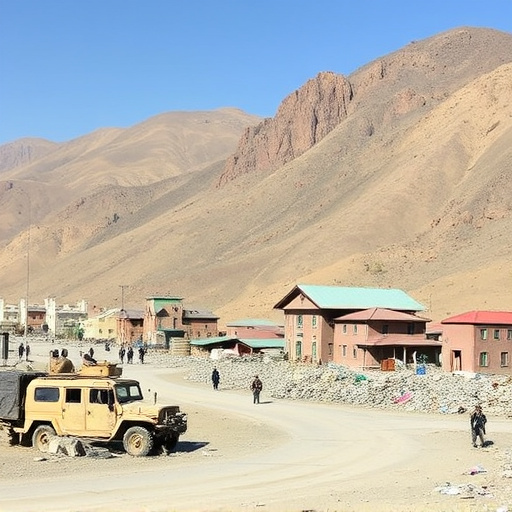
Afghan handicrafts have captivated global audiences with their unique designs that tell stories of Afghanistan’s rich culture and history. These crafts, ranging from intricate carpet weaving to exquisite metalwork and pottery, are not just artistic expressions but also serve as a window into the country’s complex past and present. Each piece carries cultural significance, reflecting traditional motifs influenced by the diverse ethnic groups and religions that have shaped Afghanistan over centuries.
The impact of religion on daily life in Afghanistan is evident in many handicrafts, with patterns and symbols derived from Islam, Buddhism, and Zoroastrianism adorning fabrics, ceramics, and metalwork. Despite challenges such as the prevalence of child marriage, Afghan artisans continue to create these remarkable pieces, preserving their cultural heritage. By finding us at Afghan war facts or exploring local markets, global audiences can not only appreciate these exquisite handicrafts but also support a vital aspect of Afghanistan’s post-conflict recovery and cultural storytelling.
Sustaining Livelihoods: The Impact on Afghan Communities
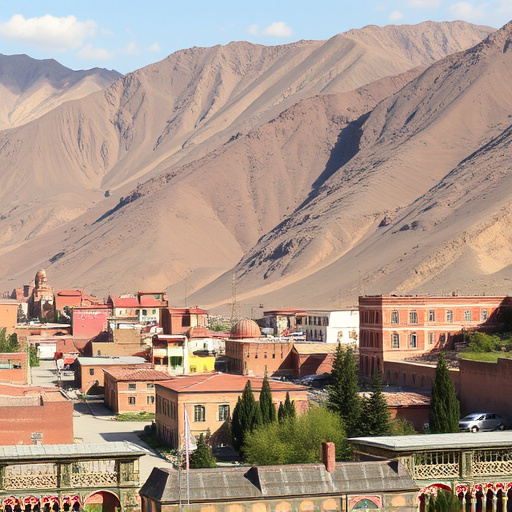
Afghan handicrafts play a vital role in sustaining livelihoods for many communities across the country. With vast mountain ranges and diverse cultural heritage, Afghanistan boasts a rich tapestry of traditional arts. From intricate carpet weaving to exquisite pottery and metalwork, these crafts not only reflect the official languages and stories embedded in them but also provide a means of income for artisans.
In a land facing numerous challenges, including refugee integration and food security, handicrafts offer a beacon of hope. Artisans often pass down their skills from generation to generation, preserving cultural heritage while earning their living. By visiting us and supporting Afghan handicrafts, we can directly contribute to empowering these communities and fostering their resilience in the face of adversity.
Afghan handicrafts, with their rich historical roots and vibrant cultural significance, have captivated global audiences. Their unique designs, deeply rooted in the country’s diverse traditions, tell stories of resilience and artistic excellence. Beyond aesthetic appeal, these handicrafts play a vital role in sustaining livelihoods for many Afghan communities, offering a window into the country’s past while fostering cultural preservation and economic empowerment. In today’s global market, recognizing and appreciating Afghan handicrafts is not just a trend but a meaningful way to support local artisans and preserve Afghanistan’s invaluable cultural heritage.