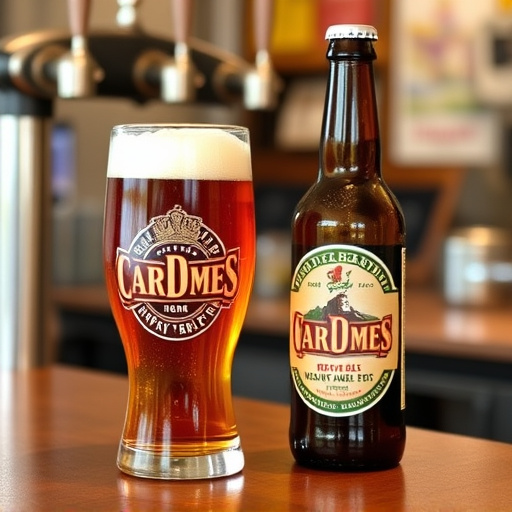

Beer, a timeless beverage with a rich history, is crafted through a meticulous Brewing process using ingredients like malted grains, hops, and yeast. Homebrewing has gained popularity, allowing enthusiasts to create unique styles in their homes. The key to successful homebrewing involves proper equipment (large pot, fermenter, bottles/kegs, thermometer, etc.), quality ingredients, and following steps like mashing, boiling, cooling, fermentation, and aging to produce personalized beverages.
Discover the world of beer, a beloved beverage with a rich history and diverse styles. From its ancient origins to modern-day craft brewing, beer has captivated cultures worldwide. This comprehensive guide delves into the art of crafting your own beer at home, offering a rewarding journey for enthusiasts and beginners alike. Learn about the essential ingredients, from malted grains to hops, and explore the necessary equipment to brew a perfectly balanced, homemade beverage.
- What is Beer? A Comprehensive Overview
- Brewing Beer at Home: Ingredients and Equipment
- Step-by-Step Guide to Brewing Your Own Beer
What is Beer? A Comprehensive Overview

Beer, a ubiquitous beverage enjoyed worldwide, is more than just a popular drink—it’s a complex creation that involves a meticulous process of brewing. At its core, beer is produced by fermenting starches derived from grains, primarily malted barley, though wheat, maize, and rice are also common. The art of brewing transforms these grains into a fizzy, alcoholic elixir with a wide range of flavors, colors, and strengths.
The history of beer stretches back thousands of years, evolving alongside human civilizations. Today, it encompasses an astonishing diversity of styles, from crisp lagers to robust stouts, each with its unique taste profile. This versatility has sparked a global homebrewing movement, allowing enthusiasts to craft their own unique brews in the comfort of their homes, democratizing access to this beloved beverage.
Brewing Beer at Home: Ingredients and Equipment

Brewing beer at home is a delightful way to explore the art of crafting your own beverage, offering a unique and personalized experience for both novice and experienced brewers. To embark on this journey, you’ll need a few key ingredients and pieces of equipment. The foundation of any good beer lies in its components: water, malted grain (like barley), hops, and yeast. Water is essential, serving as the primary ingredient by volume, and its quality can significantly impact the final taste. Malted grains provide sugars that yeast will convert into alcohol and carbon dioxide during fermentation, creating the body and flavor profile of your beer. Hops, known for their bittering and aromatic properties, add a distinctive kick to your brew. Finally, yeast is responsible for converting those sugars into alcohol, producing various flavors and aromas depending on the strain.
As for equipment, a home brewer will require a few specific tools. A large pot for boiling, an airtight container for fermenting (like a carboy), and a bottle or keg for conditioning are essential. You’ll also need a thermometer to monitor temperature during the brewing process, as well as a strainer or hop bag to separate solids from liquids. Many home brewers invest in a grain mill to crush grains for better extraction of sugars, and a hydrometer to measure specific gravity and track fermentation progress. With these ingredients and equipment, you’re well-equipped to start crafting your own beer at home, allowing you to customize flavors, experiment with styles, and create a beverage tailored to your unique tastes.
Step-by-Step Guide to Brewing Your Own Beer

Brewing your own beer at home can be a rewarding experience, allowing you to craft unique and personalized beverages. Here’s a step-by-step guide to help you navigate the process:
1. Gather Ingredients: Start by collecting the essential components: malted grains (like barley), hops, yeast, and water. The quality of these ingredients significantly impacts the final taste. You can find them at specialty homebrew stores or online.
2. Mashing: Combine the malted grains with hot water in a process called mashing. This step converts starches in the grains into fermentable sugars. Maintain a consistent temperature for the specified time, usually around 65-70°C (149-158°F).
3. Boiling: Transfer the mixture to a pot and bring it to a boil. Add hops at different intervals to contribute bitterness and aroma. A common addition is a hop back, a small vessel that allows for flavor extraction without introducing particles into your beer.
4. Cooling: After boiling, quickly cool the wort (unfermented beer) to a temperature suitable for yeast activity, typically around 20-25°C (68-77°F). This can be done using a wort chiller or an ice bath.
5. Fermentation: Transfer the cooled wort into a sanitized fermentation vessel and add yeast. Maintain a consistent temperature as per the yeast’s instructions. During this stage, the yeast consumes sugars and produces alcohol and carbon dioxide, turning your wort into beer.
6. Aging: Once primary fermentation is complete, transfer the beer to a secondary fermenter or bottle it directly. Allow it to age, which can enhance flavors and clarify the beverage. The duration varies depending on the beer style.
Beer, a beloved beverage worldwide, is a result of a centuries-old brewing process. By understanding the fundamentals, you can create your own unique craft at home. With the right ingredients—malted grains, hops, yeast, and water—and essential equipment like a fermenter and bottle filler, brewing becomes an art accessible to all. Follow our step-by-step guide, experiment with flavors, and soon you’ll be crafting beverages that rival those from the local microbrewery. Cheers to that!